By PAPLUNO
Project Guide
Different references answer different questions. Agree what needs to be reviewed.
1. Agree the purpose of the sample
A material sample, printed sample and pre-production sample may answer different questions. Confirm which reference is proposed, what it represents and whether it matches the final specification. Agree availability, costs and delivery arrangements first.
2. Review the digital proof
Check artwork version, spelling, placement, orientation and the confirmed printable area. Review the cup seam, plate rim or napkin fold as relevant. A digital proof is a layout reference; confirm how material and colour will be reviewed separately.
3. Inspect the physical reference
Compare dimensions, structure, surface, print placement and packing with the agreed specification. Review the item under the intended use conditions where relevant. Record observations against agreed criteria rather than treating a design rendering as a performance test.
4. Review the collection together
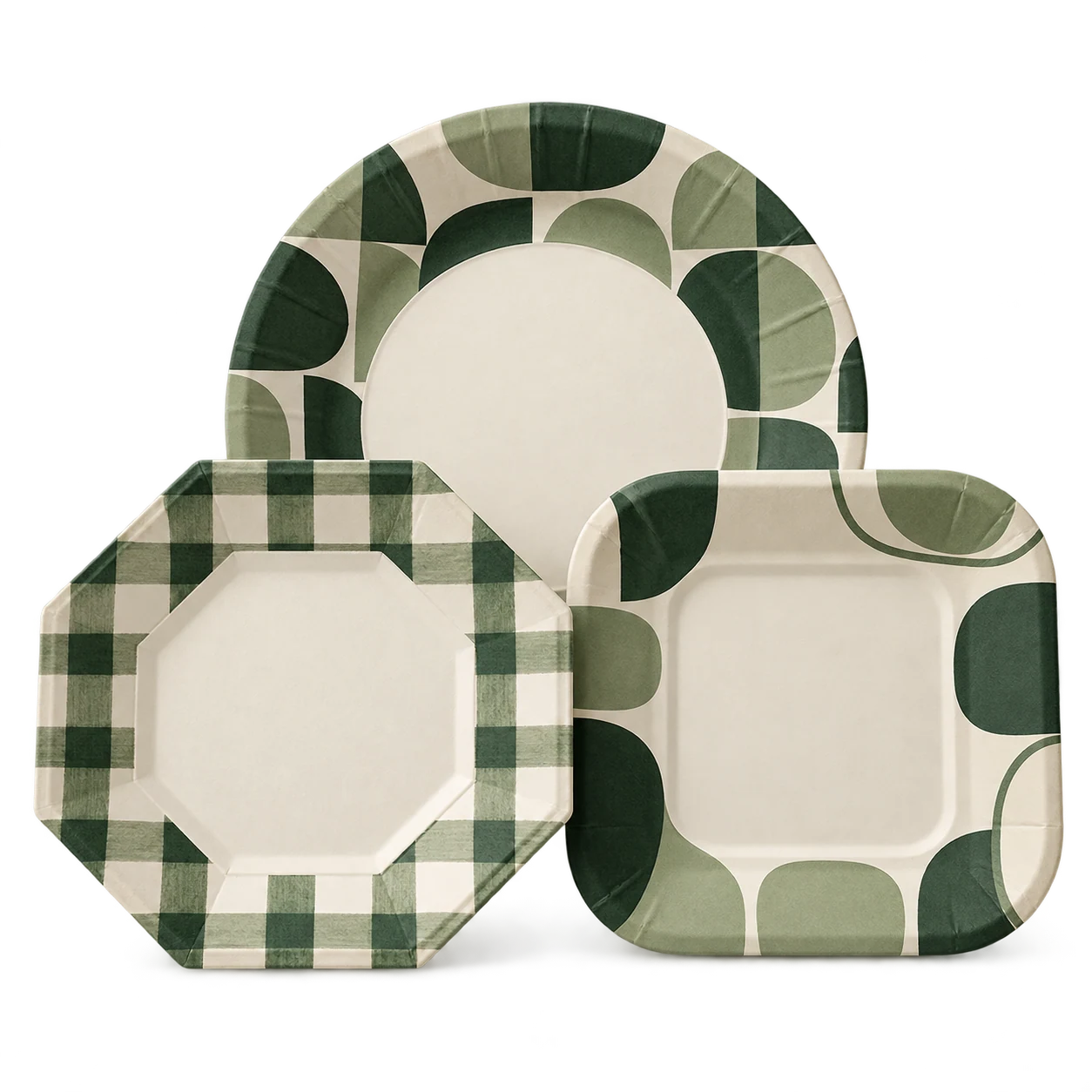
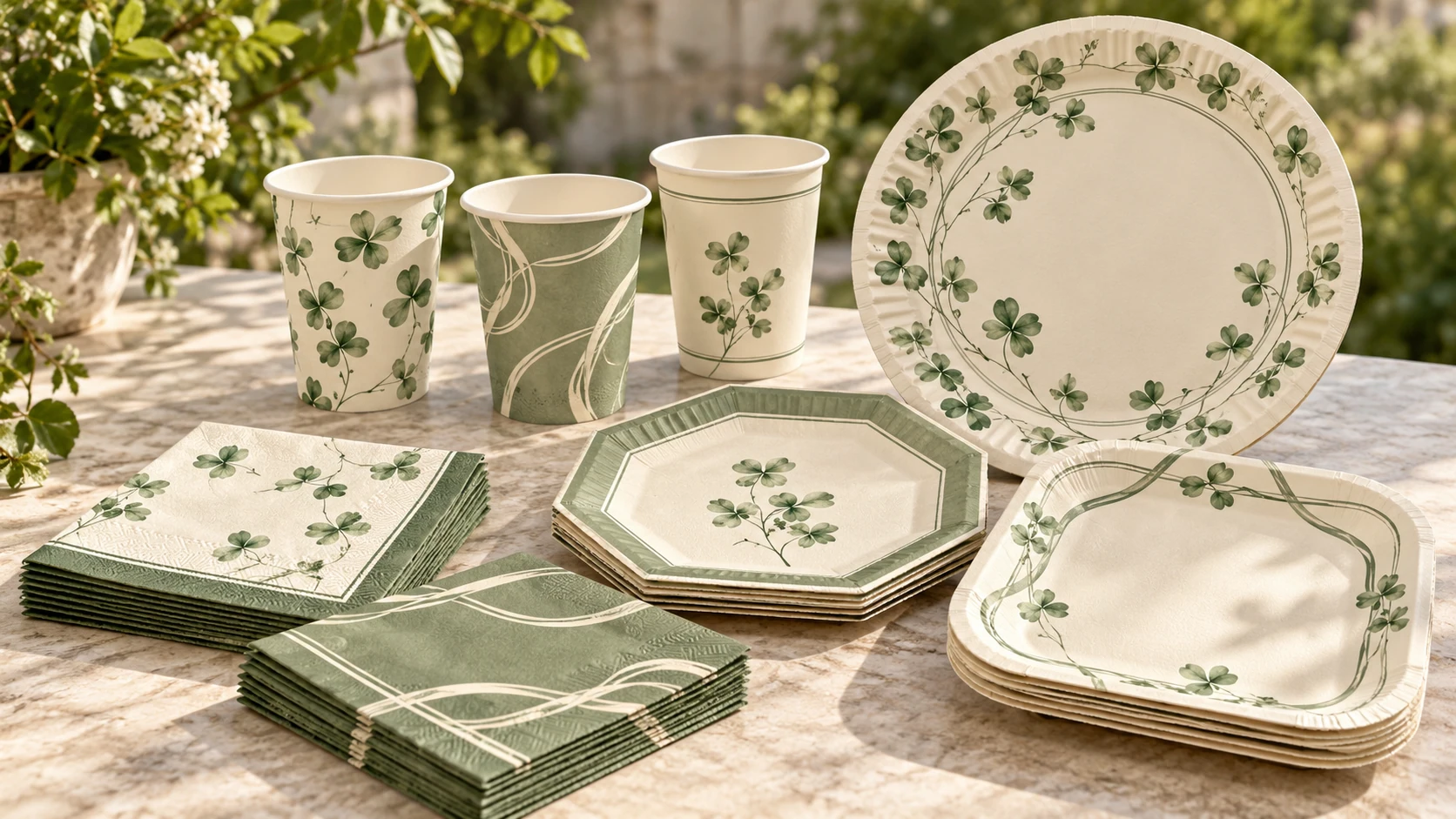
Place the proposed cups, plates and napkins together to assess visual coordination. Differences in paper, finish and printing surfaces can affect appearance. Agree which references guide the range and document any accepted differences.
5. Record changes before approving
List required revisions, assign a new artwork or specification version and confirm whether a revised proof or sample is needed. Identify the approval owner and record the date, reference and scope of approval.
6. Connect approval to the order
Make sure the quotation and order identify the accepted specification, artwork and sample reference. Agree how changes after approval will be handled, along with packing, inspection and dispatch requirements. Sample approval does not replace the remaining order terms.