By PAPLUNO
Artwork Guide
A clear design reference makes the first conversation more useful.
1. Start with artwork you can reproduce
Gather your original pattern, logo and brand references. Identify licensed elements and confirm that you have permission to reproduce them on the proposed products. A mood board can explain a direction, but it is not production-ready artwork.
2. Confirm the product before finalising the file
Request the template for the exact format being quoted. For cups, confirm the wrap and seam; for plates, confirm the centre, rim and print boundaries; for napkins, confirm the folded face and opened layout. Do not reuse a template across formats without checking it.
3. Prepare a clearly labelled artwork package
Include the editable source where requested, a viewing PDF or image, and any linked assets. Ask for the required file format, image resolution, bleed and safe area rather than assuming a universal requirement. Confirm how fonts should be supplied or converted.
Example file name: PAPLUNO_PaperCup_Format01_Artwork_v03_YYYYMMDD.pdf. Use a separate version for each product and design, and identify which file is for review. This naming example does not replace the agreed product template or print requirements.
4. Define the colour reference
Specify the colours you want to discuss and provide a physical reference if one is available. Agree how colour will be reviewed on the selected paper and finish. A screen preview helps explain the design but does not establish the appearance of the printed product.
5. Adapt a collection item by item
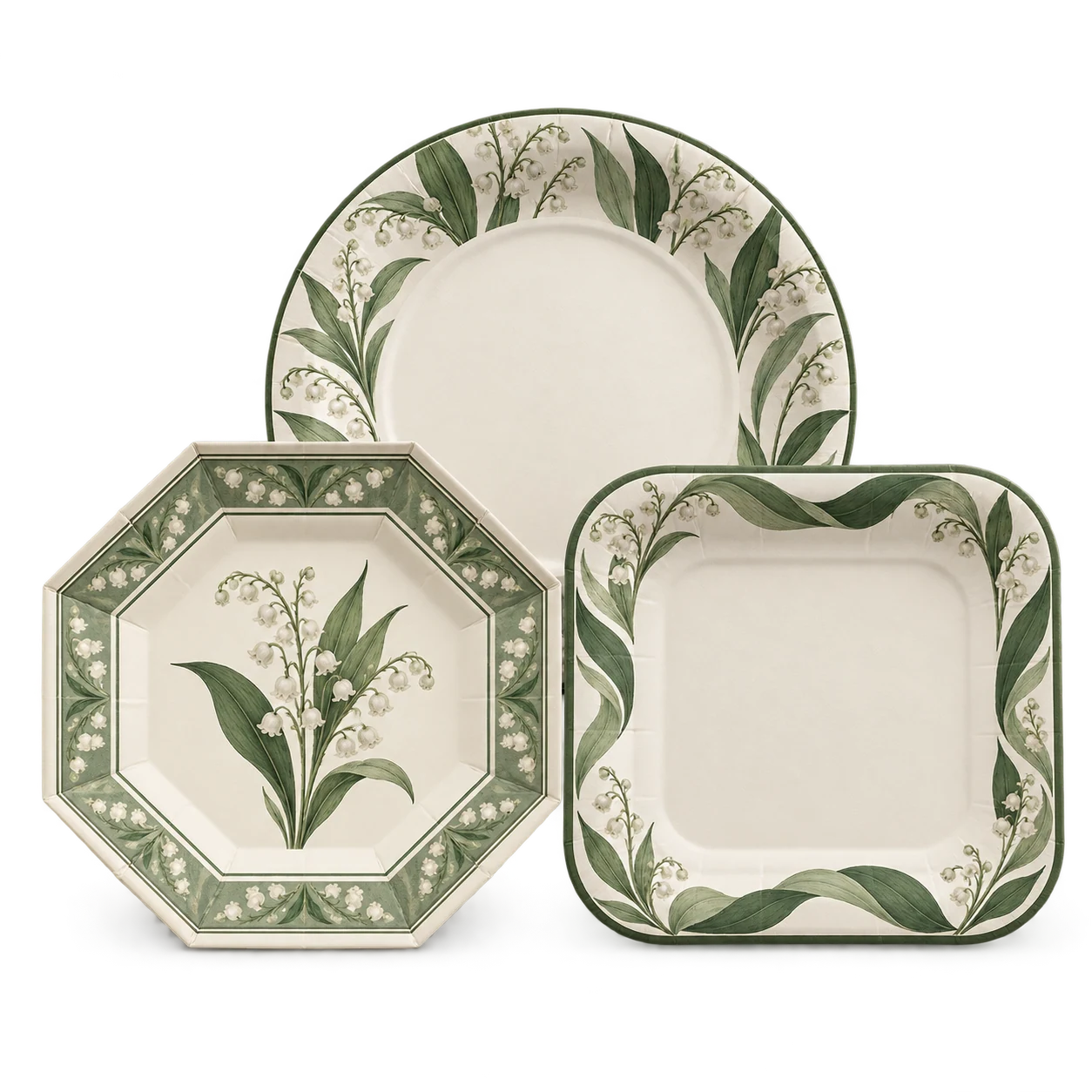
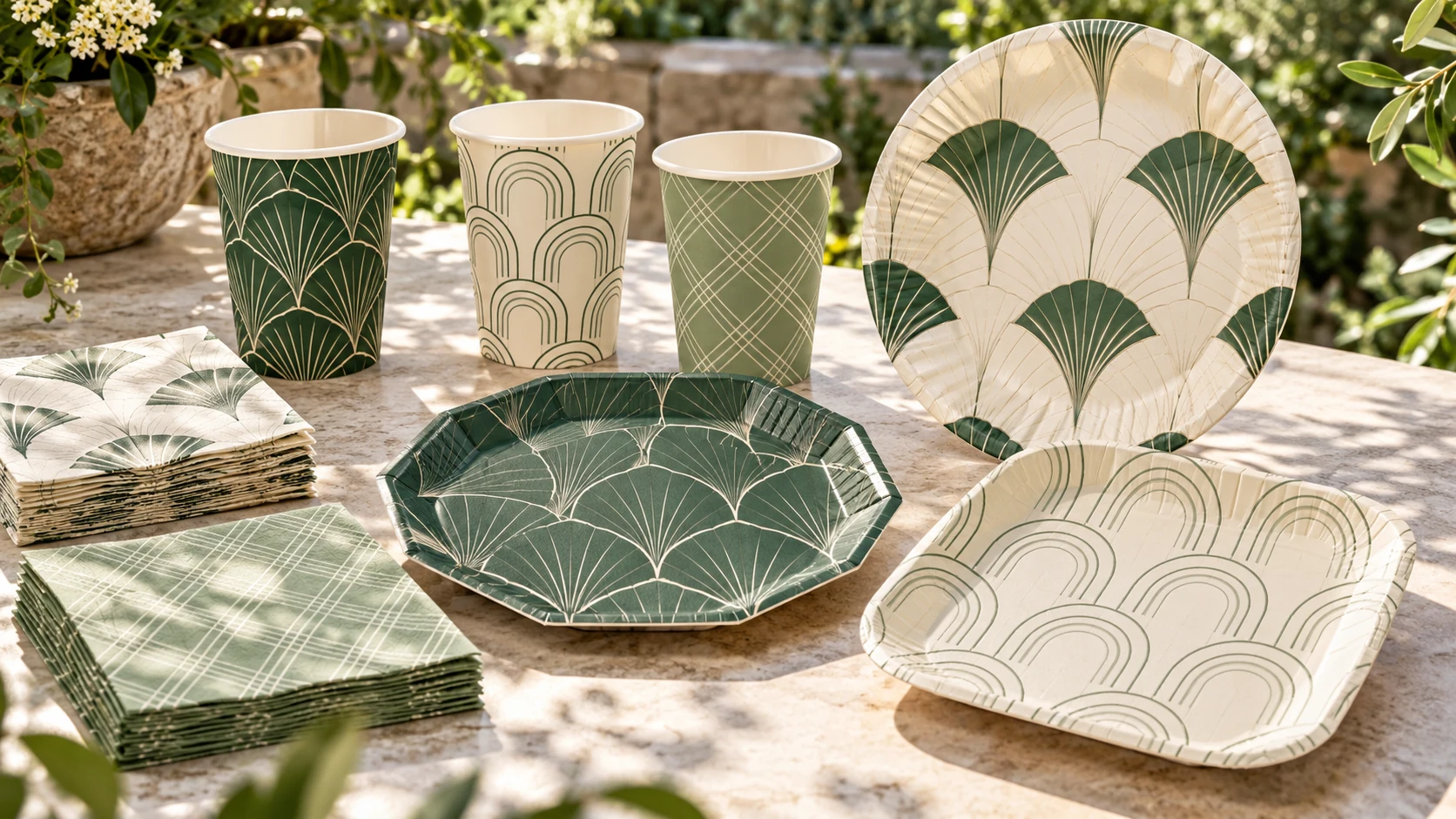
Use one visual theme across cups, plates and napkins while preparing artwork for each product template. Check whether the motif remains visible at the cup seam, plate rim and napkin fold. Agree how the range will be reviewed together.
6. Keep one approval record
Give each file a version name and keep the approved template, specification and proof reference together. Identify who can approve changes and what the approval covers. Request a revised reference when the artwork or product specification changes.