By PAPLUNO
Buying Guide
Prepare the details that connect your design to a practical purchasing brief.
1. Describe the collection and its audience
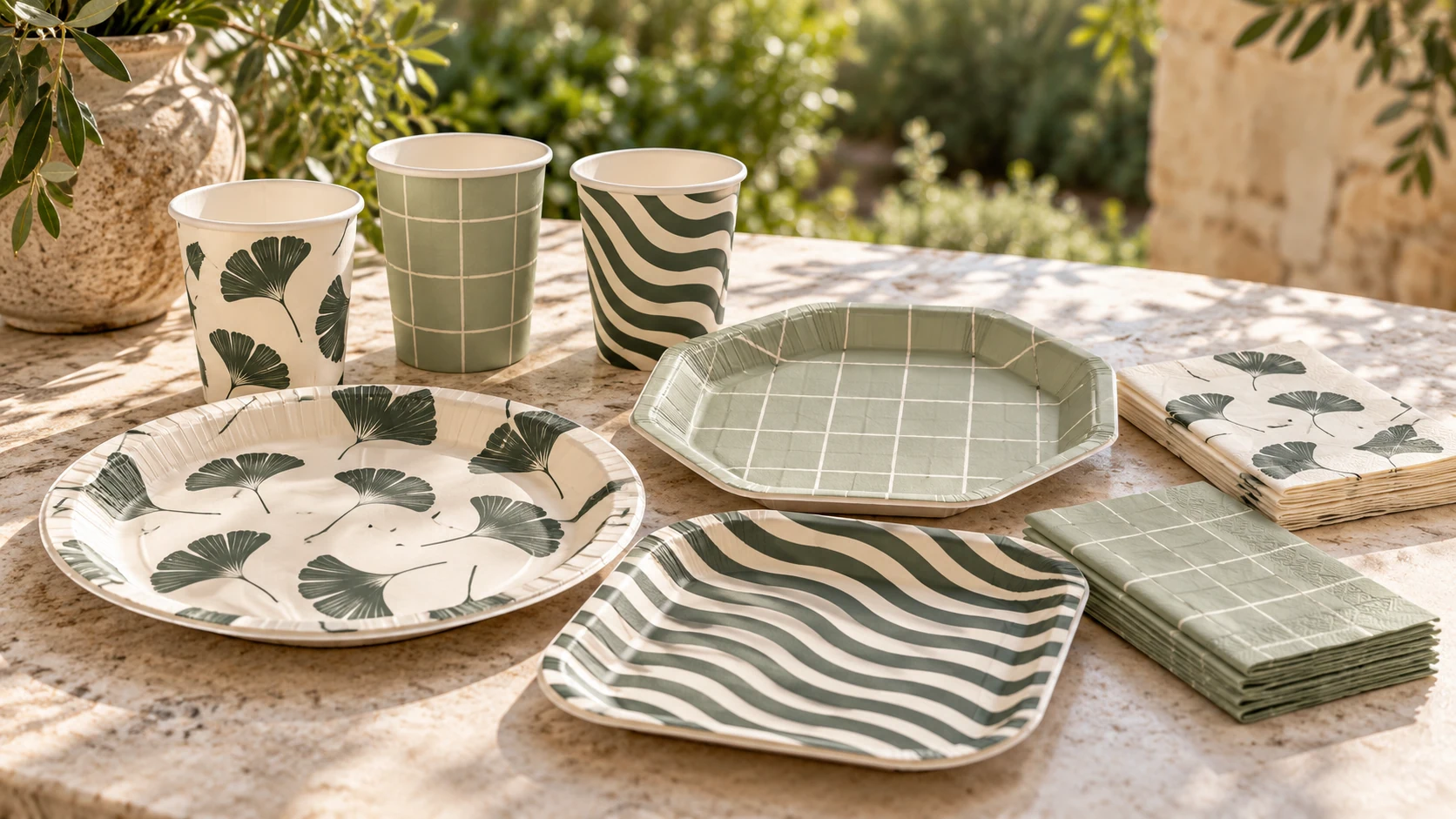
Tell us whether the project is a retail range, a branded campaign, foodservice packaging or an event collection. Include the destination market and intended use. These details help frame the product questions before a quotation is prepared.
2. Separate the product specifications
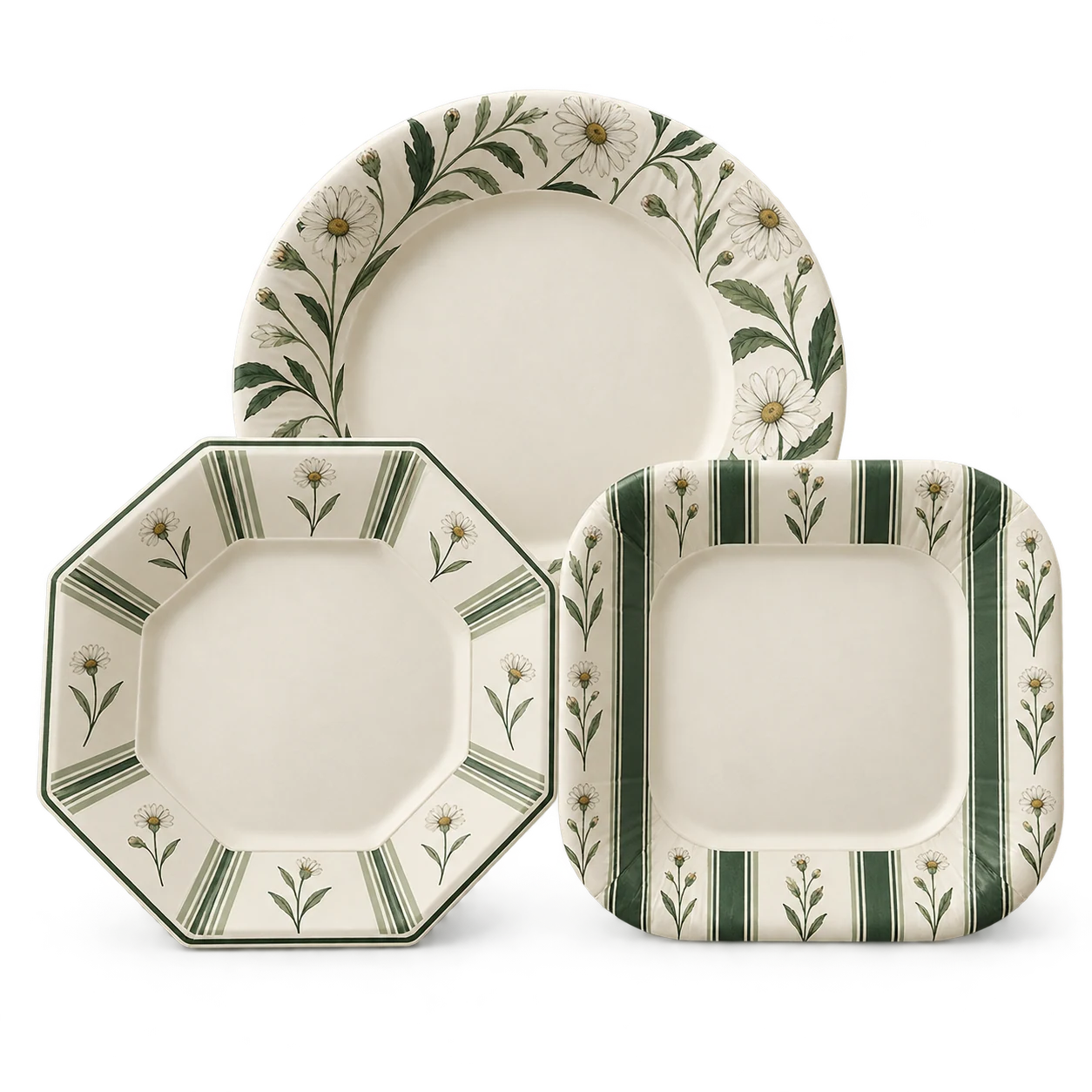
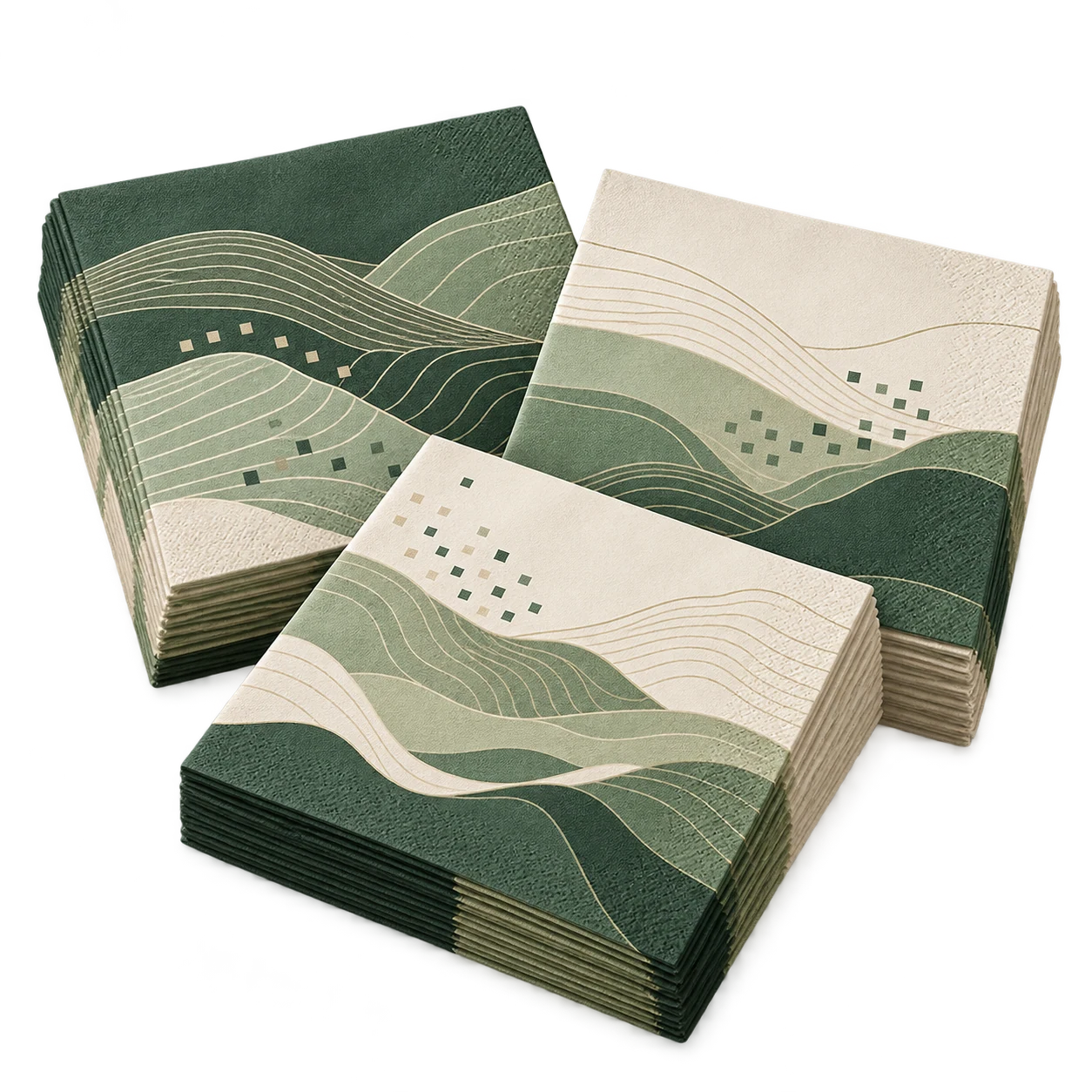
For cups, include target capacity and drink conditions. For plates, include shape, dimensions and serving use. For napkins, include folded and unfolded size, fold and preferred ply. Leave unknown fields open for discussion rather than guessing.
3. Break down the quantities
List the estimated quantity for each product, format and design. Distinguish units from retail packs and cartons. If you want a coordinated range, explain the expected mix; the same quantity is not automatically assumed for every item.
4. Explain artwork and packing requirements
Attach an authorised artwork reference or describe its current stage. Include pack counts, labels, barcode requirements and retail or bulk presentation where known. Mark which details are essential and which can be discussed.
5. Distinguish arrival from dispatch
Provide the destination and required-use date, then identify any sample or launch milestones. Production, inspection and transport are separate parts of the schedule. Ask for a confirmed plan before making commitments around a date.
6. List the information you still need
Request confirmation of supported formats, materials, minimum quantities, sample arrangements, quotation validity and delivery terms. Include any product documentation required for your intended use or market. A quote should identify what is included and what remains open.