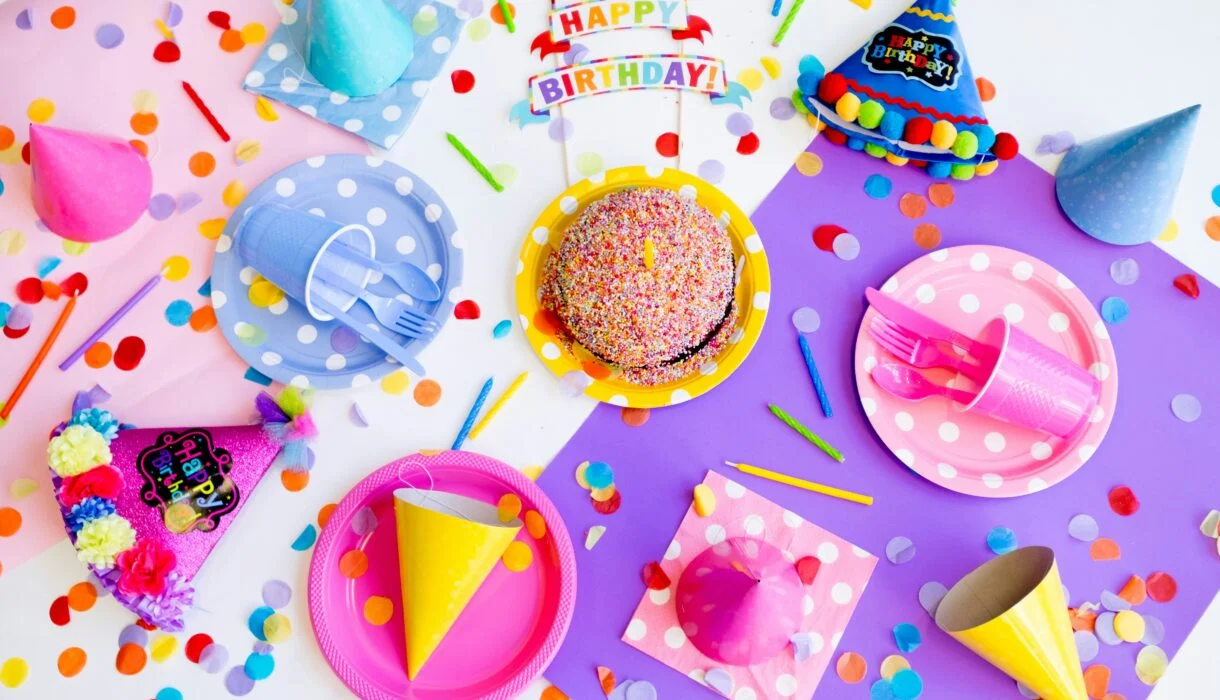

Choosing birthday party plates sounds like the easiest decision of the whole party. In practice it is where theme, budget, and table photo aesthetics collide — and where most hosts spend either too much or end up with plates that sag under a slice of cake.
This guide walks through the practical decisions: which sizes you actually need, how many to buy, when printed plates are worth the money, and how to order a custom set without paying retail prices for something you could print yourself.
Whether you are planning a five-year-old’s garden party or a milestone dinner for adults, here is how to get birthday party plates right the first time.
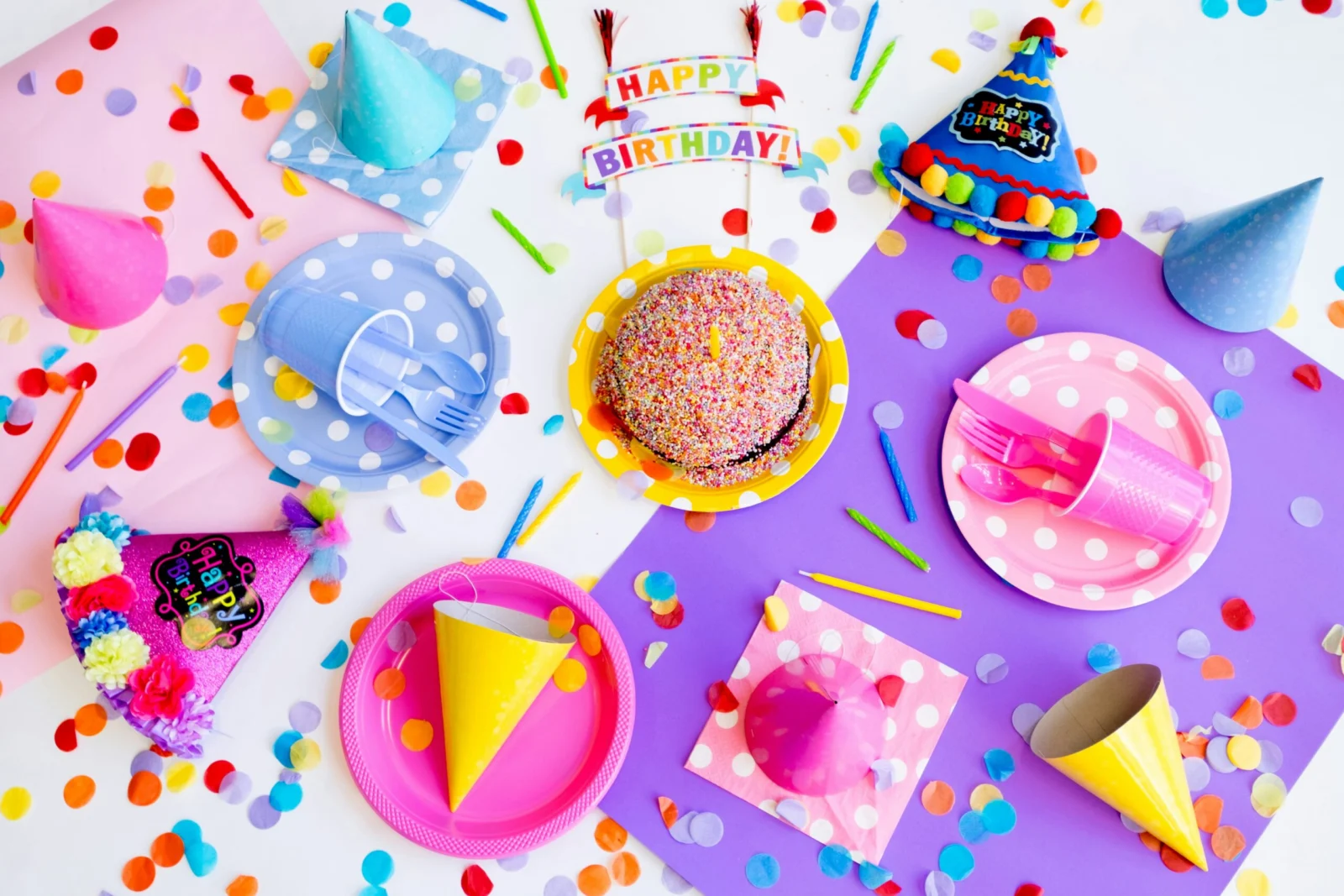
Start With the Size, Not the Design
Most people pick a pattern first and discover the size problem later. Do it the other way round.
Birthday party plates come in four working sizes, and each has a job:
- Dessert plates (6–7 inch) — cake, ice cream, cupcakes, and party snacks
- Salad or side plates (7–8 inch) — light bites, fruit, and starters
- Dinner plates (9–10 inch) — the main meal, and the size most guests actually eat from
- Charger or display plates (11 inch+) — decorative base plates that sit under the real one
For a children’s party with pizza, cake, and finger food, you can often run the entire event on 7-inch and 9-inch plates. For an adult celebration with a served meal, you will want a proper dinner size plus a dessert size.
One detail worth knowing: a thin dessert-weight plate will buckle under hot, wet food. If you are serving anything saucy or warm, choose a heavier board rather than relying on double-stacking, which looks clumsy in photos.
How Many Birthday Party Plates to Buy
The standard planning rule is 1.2 to 1.5 plates per guest. People take a second plate for cake, or replace one that gets messy, or a child drops theirs.
For a two-course party, break the count by size instead of doubling the total:
| Guests | Dinner plates (9–10 inch) | Dessert plates (6–7 inch) |
|---|---|---|
| 20 | 25 | 30 |
| 40 | 50 | 60 |
| 60 | 75 | 90 |
| 100 | 125 | 150 |
Buying slightly over is cheaper than running out. A few spare birthday party plates in the cupboard will be used at the next gathering anyway.
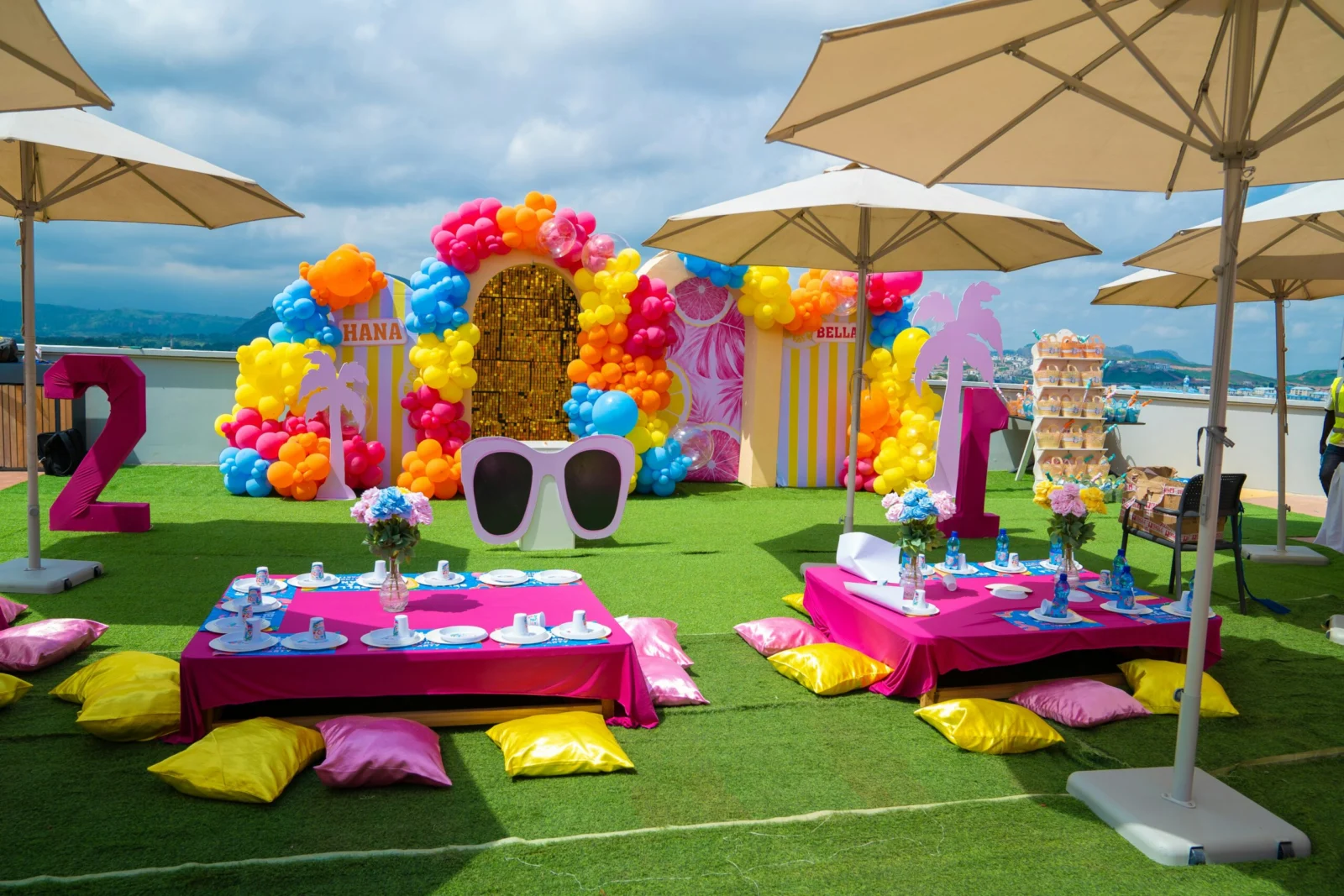
Printed Versus Plain Birthday Party Plates
Plain white plates are the sensible choice and the cheapest one. So when do printed plates justify the extra cost?
There are three situations where printed plates earn their price:
- Themed parties. A printed design carries the theme in a way balloons and banners alone cannot, especially on the table where guests spend the most time.
- Photo-driven celebrations. Table shots are one of the most photographed moments of a party. Custom plates show up in every one of them.
- Milestone events. First birthdays, 21sts, 50ths, and 60ths reward a personalised touch — a name, a date, a monogram. See our full guide to personalized paper plates for how that works in production.
If you are hosting a plain backyard gathering with paper napkins and disposable cups, printed plates will feel out of place and cost more than they return. Match the plate to the event, not to a Pinterest board.
Styling Birthday Party Plates on a Real Table
A few practical tricks make printed plates look far more deliberate than they are.
- Layer two sizes. A 7-inch plate centred on a 9-inch plate in a complementary colour reads as a place setting rather than a stack.
- Keep the napkin off the food. Fold it beside the plate, not on top — it hides the design you paid for.
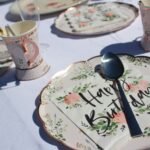
- Repeat one element. If the plate has a botanical motif, echoing that motif in the napkin or cup ties the table together.
- Use a charger for adult tables. A larger plain plate underneath instantly lifts a paper setting for milestone birthdays.
If you want the plates, napkins, and cups to share a palette, our coordinated tableware collections are built for exactly that.
Ordering Custom Printed Birthday Party Plates
If you have decided to go custom, the process is more predictable than most people expect once you know the steps.
Step one: pick the quantity that matches the print method. Small celebration orders suit digital printing. If you are ordering for a party business, a venue, or several events across a year, wholesale printing becomes far cheaper per unit.
Step two: prepare artwork properly. Vector files, CMYK colour, 300 DPI for any images, and a 2–3 mm bleed. Artwork that is not print-ready is the single most common cause of a reprint.
Step three: request a physical sample. Screen colours and printed ink do not match exactly. Seeing your design on the actual board, at the actual size, is the only reliable check — and our samples and approvals process exists to catch problems before a full run.
Step four: confirm lead time before you commit. Two to three weeks for sampling and approval, then production time on top. Ordering four days before the party is how people end up at a supermarket instead.
If you are planning birthday events regularly — as a party planner, venue, or restaurant — the economics change entirely. Our custom paper tableware range is set up for recurring business orders rather than one-off runs.
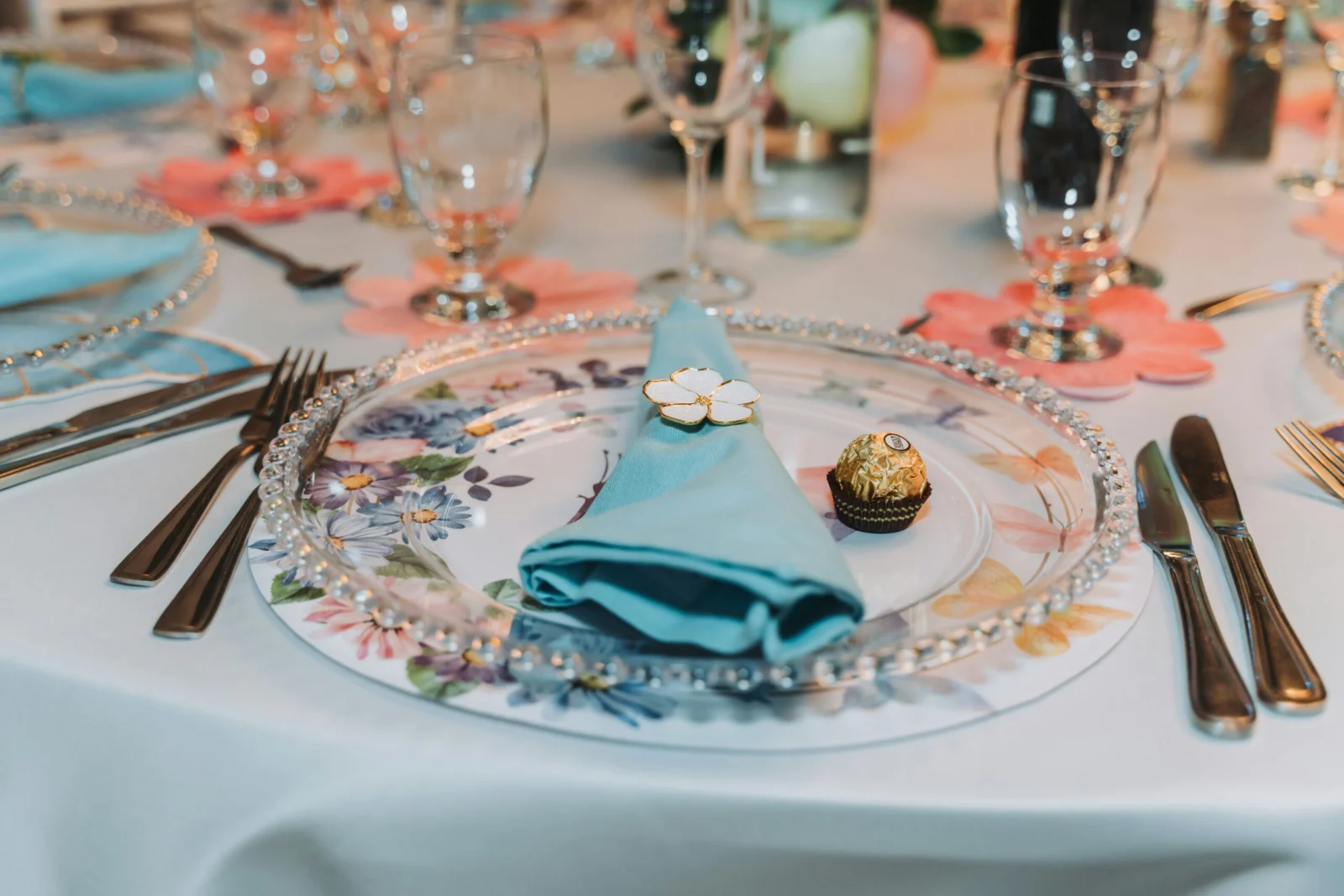
Choosing Birthday Party Plates by Age Group
The right birthday party plates for a toddler’s party are not the right ones for a 50th.
- Young children’s parties. Bright colours, robust board, and generous sizing matter more than refinement. Expect dropped plates, so buy a buffer and favour 7–9 inch over anything larger.
- Teen and young adult parties. Themed designs, photo-friendly arrangements, and bold colour blocks work well. Printed plates double as decor here.
- Milestone adult birthdays. Restraint reads as luxury. Matte finishes, a single monogram, and a charger underneath look far more expensive than busy patterns.
Frequently Asked Questions
How many birthday party plates do I need per person?
Allow 1.2 to 1.5 plates per guest for a single course. For a two-course party, plan a full dinner-plate count plus a dessert-plate count, rather than doubling a single number.
What size birthday party plates are best?
9–10 inch covers a main meal. 6–7 inch suits cake and snacks. For most parties, buying one size of each covers the whole event.
Are printed birthday party plates worth it?
Yes for themed, photo-heavy, or milestone celebrations. For casual gatherings, plain plates save money without making the table look worse.
Can I order a small number of custom birthday party plates?
Small runs work, but the minimums differ by supplier. Our wedding paper plates guide explains the same quantity logic for a larger event.
Yes — digital short-run printing handles small quantities, though the per-unit cost is higher. Wholesale pricing usually starts from around 1,000 units per design.
Do birthday party plates work for hot food?
They do, provided the board is heavier — 350 gsm and above with a grease-resistant coating. Thin dessert plates will soften under hot, moist food.
The Short Version
Choose your birthday party plates by size first, then buy 1.2 to 1.5 plates per guest, and only go printed when the theme or the photos justify it. If you do go custom, prepare artwork properly and order a sample before committing.
Get those four things right and the table looks considered, the guests are fed, and nobody is hunting for a spare plate halfway through the cake.
Ready to plan a printed set? Request your custom quote and we will help you match size, quantity, and lead time to your date.
Photos: Lidya Nada, Cleopas Monbest, and Jose Marroquin on Unsplash.


2 thoughts on “Birthday Party Plates: How to Choose, Style and Order the Right Ones”