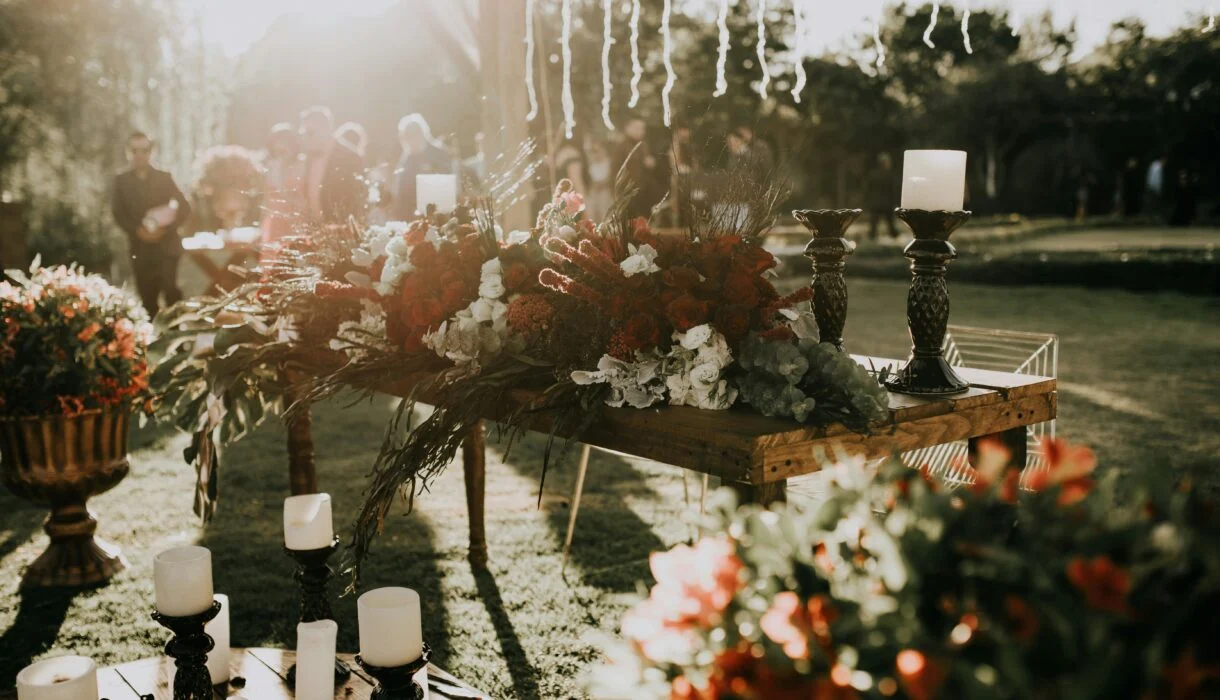

The phrase wedding paper plates still makes some couples wince. It should not. Used deliberately, paper tableware lets you spend money on the things guests actually remember — flowers, food, music — instead of renting 120 dinner plates that vanish at midnight.
The catch is that paper plates look cheap when they are chosen carelessly and expensive when they are chosen well. This guide covers how to tell the difference: which weights and finishes hold up over a long reception, how many plates a wedding actually needs, and when printed sets earn a place on the table.
When Wedding Paper Plates Actually Work
Paper tableware is not a compromise for every wedding. It is the right choice in specific circumstances, and a poor one in others.
It works well for:
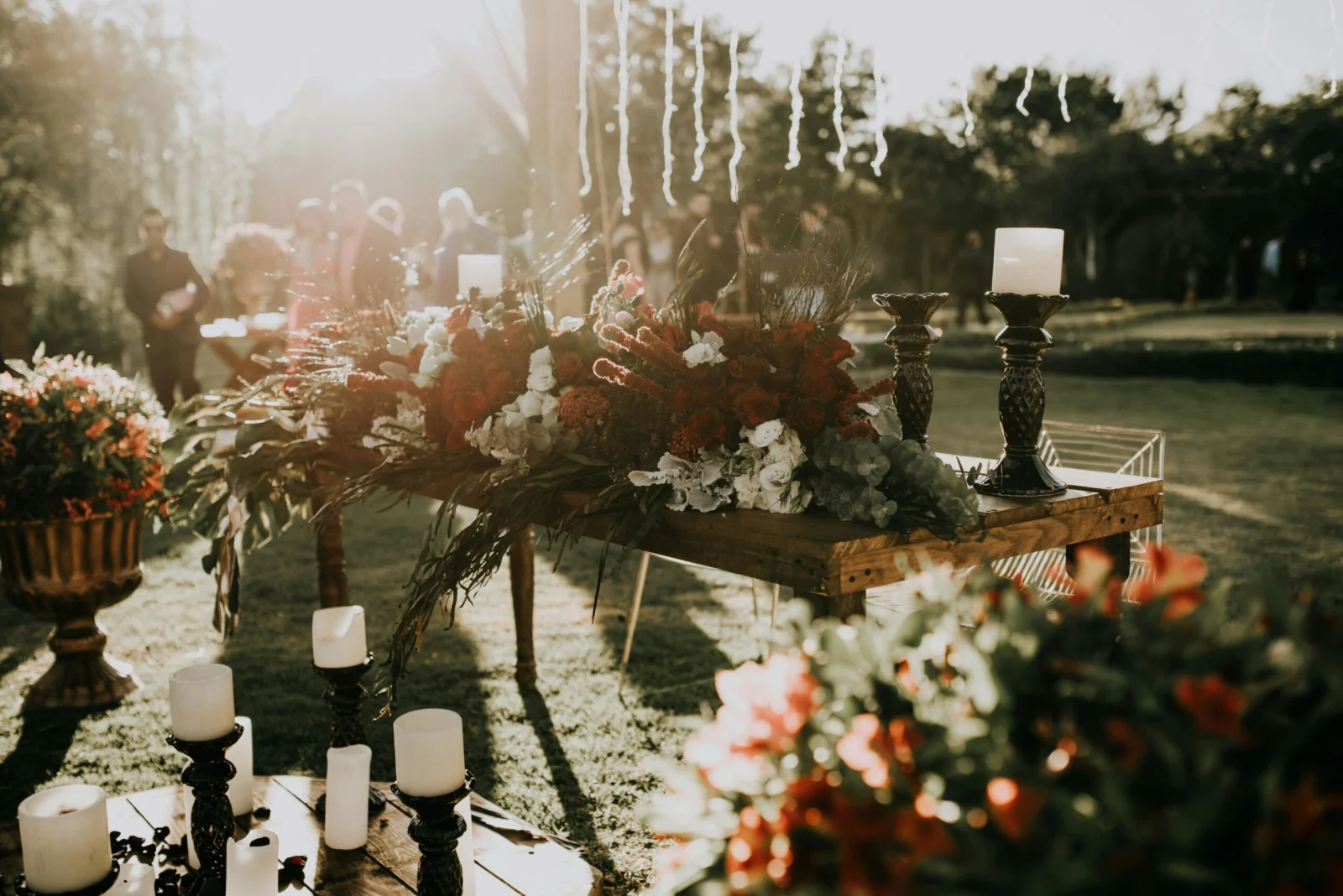
- Outdoor and garden receptions, where real china is impractical and breakage is a genuine risk
- Buffet and food-station service, where guests carry plates around rather than sit at a set table
- Large guest counts, where the cost of rented dinnerware or a full rental service becomes hard to justify
- Bridal showers and rehearsal dinners, which are shorter, more casual events
- Destination and beach weddings, where washing up is nobody’s idea of a honeymoon activity
It works less well for: a formal plated dinner with assigned seating, where guests expect weight and clink. If the invitation is black tie and the courses are served, paper will read as a shortcut regardless of how good the print is.
If your event is closer to a party than a reception, our guide to birthday party plates covers the sizes and quantities that suit a more casual table.
Choosing the Right Weight and Finish
This is where most wedding paper plates fail. A dessert-weight plate holding a slice of cake is fine. The same plate holding roast chicken and a wet salad will bow in the middle and leave a grease patch on the tablecloth.
Three specifications matter:
- Board weight. For a served meal, choose 350 gsm or heavier. For cake, canapes, and dessert, 250–300 gsm is sufficient and looks more refined in photos.
- Coating. Matte finishes photograph beautifully and suit understated weddings. Gloss is more practical for greasy food and is easier to wipe if something spills.
- Shape and rim. Round plates look traditional; square and scalloped shapes read as more contemporary. Keep in mind that fine detail near the rim distorts during forming, so delicate motifs belong in the centre.
A practical test before you commit: ask for a sample, put a realistically heavy portion on it, and hold it one-handed the way a guest standing at a buffet would. If it flexes, it is too thin for your menu.
How Many Wedding Paper Plates Do You Need
The standard rule is 1.2 to 1.5 plates per guest per course. Weddings tend to run closer to the top of that range than birthday parties, because guests mingle, set plates down, and take a fresh one rather than track down their original.
A realistic breakdown for a two-course reception:
| Guests | Main plates (9–10 inch) | Dessert plates (6–7 inch) | Suggested buffer |
|---|---|---|---|
| 50 | 65 | 70 | +10% |
| 100 | 130 | 140 | +10% |
| 150 | 195 | 210 | +10% |
| 200 | 260 | 280 | +10% |
Do not forget the moments nobody plans for: the caterer plating in the kitchen, the cake being cut before dessert plates are distributed, and the few plates that get dropped or used to carry shoes. A 10 percent buffer covers all of it for far less than an emergency run mid-reception.
Plain Versus Printed Wedding Paper Plates
A well-chosen plain plate in a soft colour — off-white, sage, dusty blue — can look genuinely elegant and costs a fraction of a printed set. So what does printing add?
Printed wedding paper plates earn their cost when the design does real work:
- Names and dates turn plates into keepsakes guests photograph and take home
- A monogram or crest ties the table into the wider stationery without extra decoration
- A motif repeated across plates, napkins, and cups creates visual consistency that plain tableware cannot match on a paper budget
The reverse is also true. A busy floral print at scale can look cluttered against a busy centrepiece. If your flowers are the visual centre, keep the plate quiet. If the table is minimal, the plate can carry the detail.
For a coordinated set where the plate, napkin, and cup share one design language, see our wedding tableware sets.
Styling a Paper Wedding Table
The difference between “paper” and “cheap” is almost entirely in the arrangement.
- Layer sizes. Place a large plain charger underneath a smaller printed plate. The effect reads as a place setting, not a stack of disposables.
- Fold the napkin beside, not beneath. A linen-look paper napkin folded to the left of the plate adds texture; tucked under it, it just looks hidden.
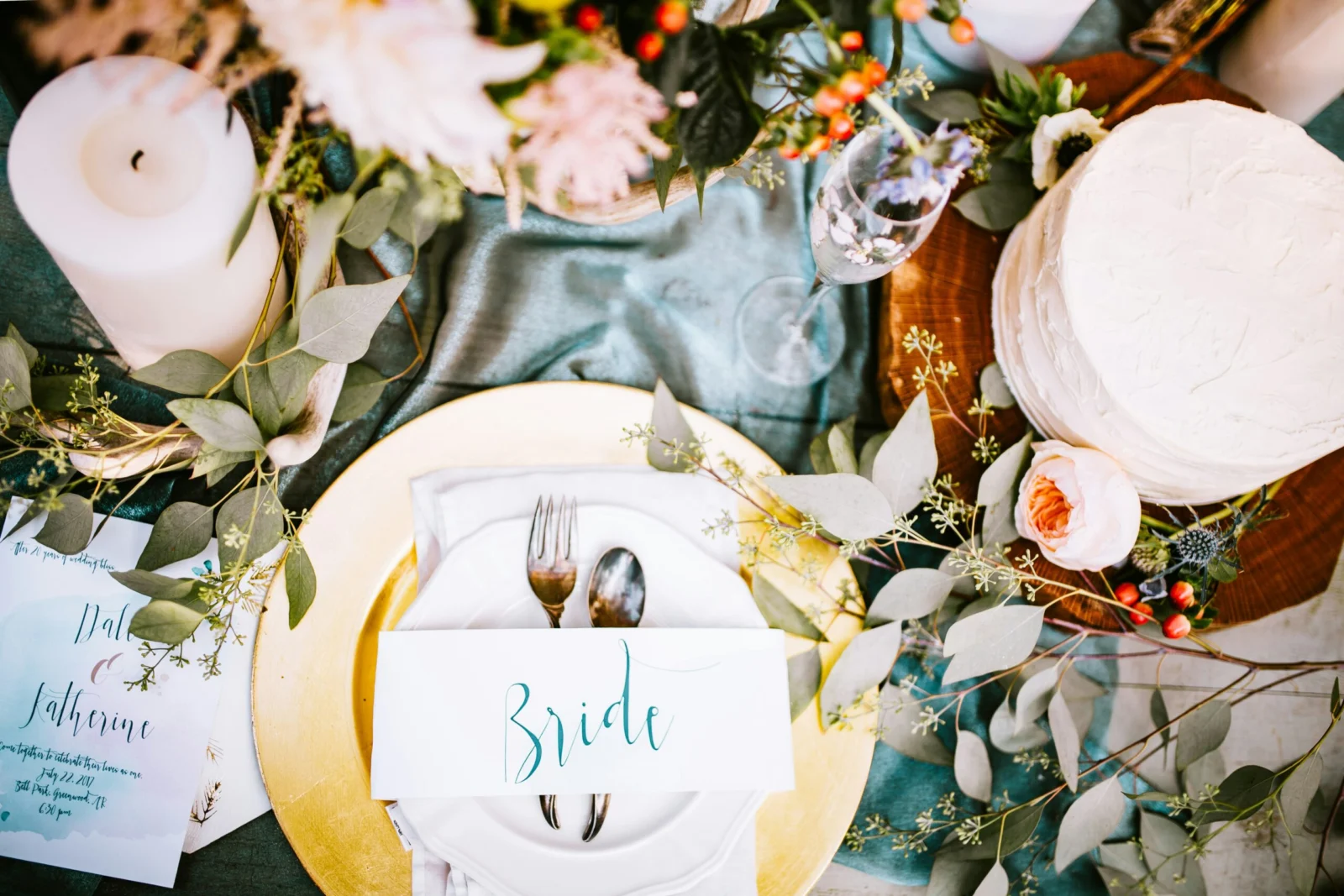
- Add one real element. A single real glass, a sprig of greenery, or a handwritten place card lifts the whole setting. Per table, this costs very little.
- Keep colours to three. Base, accent, and greenery. More than three and a paper table starts to look like a picnic.
If you want the plates, napkins, and cups to share a palette without designing each separately, our coordinated tableware collections are built for exactly that.
Ordering Custom Printed Wedding Paper Plates
If you have decided to print, the process is straightforward once the sequence is clear.
Decide the quantity first, because it dictates the method. A 100-guest wedding fits digital short-run printing. A wedding planner ordering for a season of events, or a venue running regular receptions, moves to wholesale pricing where the per-unit cost drops sharply.
Prepare print-ready artwork. Vector files, CMYK colour, 300 DPI for anything photographic, and 2–3 mm of bleed. This single step prevents most reprints.
Order a physical sample before the full run. (For how that process works with names and monograms, see our personalized paper plates guide.) Screen colour and printed ink never match exactly, and a palette that looks perfect on a laptop can read differently on cream board under reception lighting. Our samples and approvals process exists to catch that before you commit.
Work backwards from the date. Allow two to three weeks for sampling and approval, then production, then delivery. Most couples underestimate the sampling stage and end up choosing a stock design they did not want.
Planning weddings regularly — as a planner, venue, or caterer — changes the maths entirely. Our custom paper tableware range is set up for recurring orders rather than one-off runs.
Frequently Asked Questions
Are paper plates acceptable at a wedding?
For outdoor receptions, buffets, large guest counts, showers, and rehearsal dinners, yes — many couples choose them deliberately. For a formal plated dinner with assigned seating, real dinnerware is still the right call.
How many paper plates do I need for a wedding of 100?
Plan around 130 main plates and 140 dessert plates, then add a 10 percent buffer. That covers guests taking a second plate, kitchen plating, and breakage.
Will thin paper plates hold wedding food?
Not reliably. For a served meal choose 350 gsm board or heavier with a grease-resistant coating. Dessert-weight plates are fine for cake but will bow under hot, moist dishes.
Can I order custom wedding paper plates in small quantities?
Yes. Digital short-run printing handles small orders, though the per-unit cost is higher. Wholesale pricing generally starts around 1,000 units per design.
How far in advance should I order?
Six to eight weeks before the wedding date is comfortable for custom printing. That allows for sampling, artwork revisions, production, and delivery with margin.
The Short Version
Choose wedding paper plates for the settings where they genuinely belong — outdoor, buffet, large, or casual — and pick a board heavy enough for your menu. Buy 1.2 to 1.5 plates per guest plus a buffer, and only go printed when the design adds something plain tableware cannot.
Do that, and the paper on the table will be a decision guests never notice — which, for tableware, is the highest compliment available.
Planning your tables? Request a custom quote and we will help you match weights, quantities, and timing to your date.
Photos: Brunxs, Adi Albulescu, and Annie Gray on Unsplash.